

Complex PTSD Recovery in Berkeley, California and Virtually
Malachi Gillihan is a Trauma Specialist and Certified Spiritual Counselor, offering Complex PTSD Recovery in Berkeley, the East Bay, and virtually to clients nationwide and internationally. His work supports people for whom trauma doesn't feel like a single event to point to. It feels like it's touched nearly everything: how they work, how they feel day to day, how they experience their own body, how they see themselves, and how they show up in relationships and family.
Malachi is also a survivor-practitioner. His own history includes chronic, developmental trauma, not just a single incident, which is part of why his approach to complex trauma specifically stays personal rather than clinical or distant.
Complex PTSD Recovery is one-on-one, ongoing support for trauma that's chronic or long-standing rather than tied to a single event. Sessions blend talk-based work with mind-body practices, shaped around what complex trauma has actually done in your life, not a generic trauma protocol.
What you can expect:
Support from someone who co-chairs the Complex Trauma Special Interest Group within the International Society for Traumatic Stress Studies (ISTSS), and brings that research grounding into the room with you
Guidance from a survivor-practitioner whose own history includes chronic trauma, not just trauma generally
Sessions in person in Berkeley or virtual, wherever you are
Room for real connection, and yes, even humor, alongside the hard parts
A starting point that asks nothing of you but a conversation
What Are the Signs of Complex PTSD?
How Is Complex PTSD Different From PTSD?
PTSD is often tied to a single traumatic event or a short period of time. Complex PTSD develops from trauma that repeats or continues over time, often starting in childhood, and it tends to affect more than your response to danger. It can shape your sense of self, your relationships, and your ability to trust your own emotions, not just your nervous system's reaction to a specific threat.
Why Does It Feel Like This Has Always Been Part of You?
For a lot of people with complex trauma, there's no single moment they can point back to. The trauma was ongoing, so its effects settled in slowly and became part of how you learned to move through the world. That's not a character flaw. It's how prolonged trauma actually works, and it's also part of why healing from it looks different from processing a single event.
What Are the Three Truths of Trauma Recovery?
Malachi calls these the Three Truths of Trauma Recovery. They came out of his own experience with chronic trauma, and they shape this work in particular.
You Are Not Alone
Complex trauma tends to isolate more than most. When difficulty has been present for as long as you can remember, it can feel like your experience is unlike anyone else's. It isn't. So many others carry a similar history, even on the days it feels like you're the only one.
You Are Not Broken
This truth carries particular weight here. Complex trauma often leaves people feeling like something in them is fundamentally, permanently wrong, not just injured, but broken at the core. It isn't. What you're carrying is the result of what happened to you, not evidence of who you are. This truth is about restoring your sense of hope and agency, not pretending the impact wasn't real.
You Can Heal and Grow
Healing from complex trauma doesn't mean going back to who you were before it started. Often there isn't a clear "before." It can mean building a sense of self and a life that feels genuinely yours, not just survivable.
Sessions Designed Around You
In-Person and Virtual Sessions
You can choose what fits your life. Sessions happen in person in Berkeley, California, or virtually if you're anywhere else in the country, or the world.
Session Length and Format
Sessions combine talk-based work with mind-body practices, shaped around the specific ways complex trauma shows up for you. To learn more about how Malachi's approach comes together, visit the About page.
Starting With a Consultation Call
There's no assessment to pass and nothing to prepare beforehand. A consultation call is simply a conversation, so you and Malachi can both find out whether this is the right fit.
Others Have Been Where You Are
Complex trauma work doesn't happen in isolation, even when isolation is part of what it feels like at the start. Here's what a few people have said about doing this work with Malachi.
"Impressive synthesis and integration of the science"
Workshop Attendee
"Malachi presented the complex information very clearly. His passion for the subject came through and I found it very motivating to learn more."
Workshop Attendee
"Malachi was a skilled facilitator and the training was well-organized, well-paced, and engaging."
Workshop Attendee
"All the information given in the workshop was not only relevant, but well documented, which made the workshop very valuable."
Workshop Attendee
"Absolutely blew my mind in the best way. I feel empowered, seen, and am excited to try out so many of these tools and strategies!!!!! Thank you Malachi"
Workshop Attendee
"The class was excellent - I wouldn’t change a thing"
Workshop Attendee
More Ways to Heal and Grow
If your situation looks a little different from what's described above, one of these may be a better starting point.

Individual Trauma Recovery
For a trauma history that's less chronic or complex, without the same long-standing pattern.

Sexual Trauma Recovery
For survivors of sexual trauma specifically.

Women & Non-Binary C-PTSD Support
For women and non-binary clients seeking a group built specifically for this population.

Group Trauma Therapy
For those who'd rather heal alongside others with similar experiences.
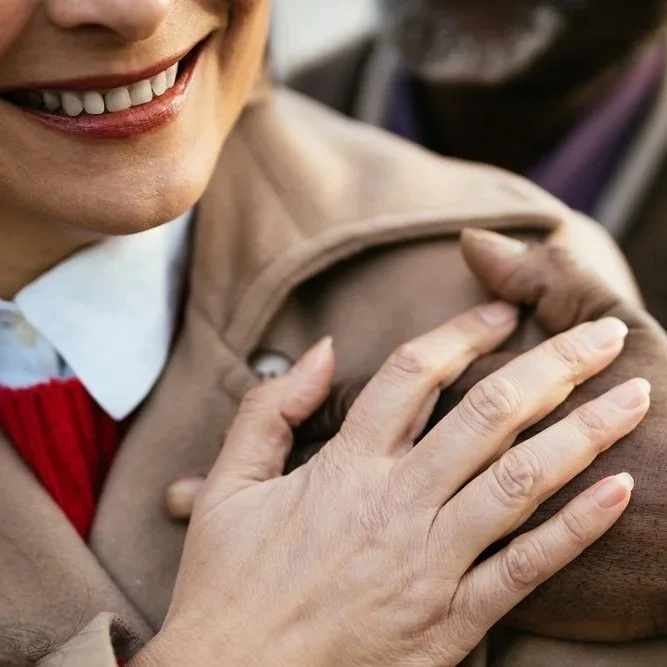
Couples & Family Trauma Support
For complex trauma's impact on a relationship or family, not just on you individually.
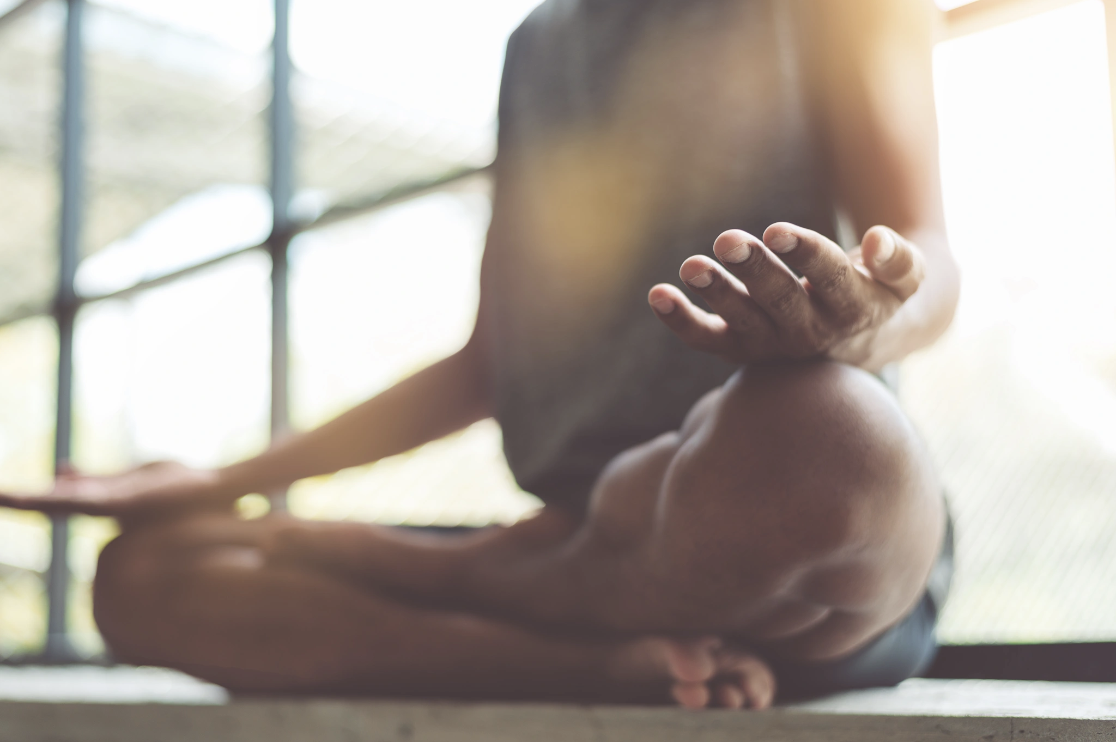
Trauma & Addiction Recovery
For trauma and addiction addressed together.

Somatic & Mind-Body Therapy
For you if body-based work should lead the sessions, not just support them.
Begin With a Consultation Call
You don't have to have this figured out before you reach out. Complex PTSD Recovery starts with one conversation: a short, low-pressure consultation call to see if working with Malachi, a Trauma Specialist based in Berkeley, makes sense for you.
Sessions are available in person in Berkeley, California, or virtually, wherever you are.
Common Questions About Complex PTSD Recovery
Yes, healing is possible, though it looks different for everyone. Complex trauma built up over time, so working through it also takes time. That doesn't mean progress isn't real along the way. This is the heart of the third truth: you can heal and grow, not just manage symptoms.
Can Complex PTSD Be Healed?
1
Support that treats complex trauma as its own thing, not a variation on single-event trauma. Complex PTSD affects identity, relationships, and self-trust in ways a general approach can miss. Malachi's work is shaped specifically around chronic and developmental trauma, not adapted from a single-incident model.
What Kind of Support Works Best for Complex PTSD?
2
Yes. Individual Trauma Recovery covers trauma more broadly. This service is for a trauma history that's chronic, long-standing, or developmental, the kind that's touched nearly every part of life rather than one specific event. If you're not sure which fits, a consultation call can help sort that out.
Is This Different From Individual Trauma Recovery?
3
There's no fixed timeline, and it's worth being cautious of anyone who promises one. Complex trauma builds up over time, and the pace of working through it is different for everyone. What matters more than a timeline is whether the process feels like it's actually moving you somewhere.