

Individual Trauma Recovery in Berkeley, California and Virtually
Malachi Gillihan is a Trauma Specialist and Certified Spiritual Counselor, offering individual trauma recovery in Berkeley, the East Bay, and virtually to clients nationwide and internationally. His work supports people whose trauma shows up through symptoms such as anxiety, low mood, hypervigilance or restlessness, disconnection and dissociation, sleep disruption, or even a quiet, persistent sense that something is off.
Malachi is also a survivor-practitioner. Before he brought this work to anyone else, he lived it himself, and that lived experience is part of why his approach stays personal rather than clinical or distant.
Individual Trauma Recovery is one-on-one, ongoing support built around your history, not a script. Sessions blend talk-based work with mind-body practices in a way that adapts to you, session by session, rather than following the same process for every person who walks in.
What you can expect:
Whole-person sessions that meet trauma where it actually lives, in your body and your patterns, not just in your thoughts
Guidance from a survivor-practitioner with doctoral-level trauma training behind him, not just a textbook understanding of what you're carrying
Sessions in person in Berkeley or virtual, wherever you are
Room for real connection, and yes, even humor, alongside the hard parts
A starting point that asks nothing of you but a conversation
How Do You Know If Your Symptoms Are Rooted in Trauma?
Can Anxiety Be Caused by Past Trauma?
Yes. Anxiety is one of the more common ways past trauma shows up in the present, even when it feels like it's entirely about what's happening right now. Your nervous system doesn't always distinguish between old danger and new stress. A tense email, a raised voice, an unexpected change of plans- it can react to any of these the same way it once reacted to real danger.
What Are the Signs of Unresolved Trauma?
Unresolved trauma often looks less like a specific memory and more like a pattern running through your daily life. Sleep that won't settle. A body that stays braced even when nothing is wrong. Relationships that keep following the same painful shape, no matter who you're with. A restlessness you can't quite name, or the opposite, a flatness that's hard to shake. If several of these sound familiar, and you haven't traced them back to where they started, that's worth exploring together.
If your history centers on complex trauma or sexual trauma specifically, the Complex PTSD Recovery and Sexual Trauma Recovery services go deeper into those situations.
What Are the Three Truths of Trauma Recovery?
Malachi didn't borrow these ideas from a textbook. They came out of his own recovery, and he hears them echoed in nearly everyone he sits with. He calls them the Three Truths of Trauma Recovery, and they shape how he works with every client.
You Are Not Alone
Trauma tends to isolate. It can convince you that what happened to you is somehow only yours, that no one else could possibly understand it. That isn't true. So many others carry some version of what you're carrying, even on the days it feels like you're the only one.
You Are Not Broken
Trauma can leave you feeling like something in you is permanently damaged. It isn't. What you're carrying is an injury, not a life sentence, and injuries can be worked with. This truth is about restoring your sense of hope and agency, not pretending nothing happened.
You Can Heal and Grow
This one is aspirational, and it's meant that way. Healing from trauma doesn't only mean returning to where you were before it happened. It can mean building a life that feels abundant, connected, and genuinely yours, not just one you've learned to get through.
Sessions Designed Around You
In-Person and Virtual Sessions
You can choose what fits your life. Sessions happen in person in Berkeley, California, or virtually if you're anywhere else in the country, or the world.
Session Length and Format
Your sessions combine talk-based work with mind-body practices, shaped around what you bring into the room each time rather than a fixed curriculum. To learn more about how Malachi's approach comes together, visit the About page.
Starting With a Consultation Call
There's no assessment to pass and nothing to prepare beforehand. A consultation call is simply a conversation, so you and Malachi can both find out whether this is the right fit before you commit to anything further.
More Ways to Heal and Grow
Individual sessions aren't the only path here. If one of these fits your situation better, it may be the best place to start.

Complex PTSD Recovery
For a trauma history that's longer-term or more layered than a single event.

Sexual Trauma Recovery
For survivors of sexual trauma specifically.

Somatic & Mind-Body Therapy
For you if body-based work should lead the sessions, not just support them.

Group Trauma Therapy
For you if healing alongside others with similar experiences feels right.
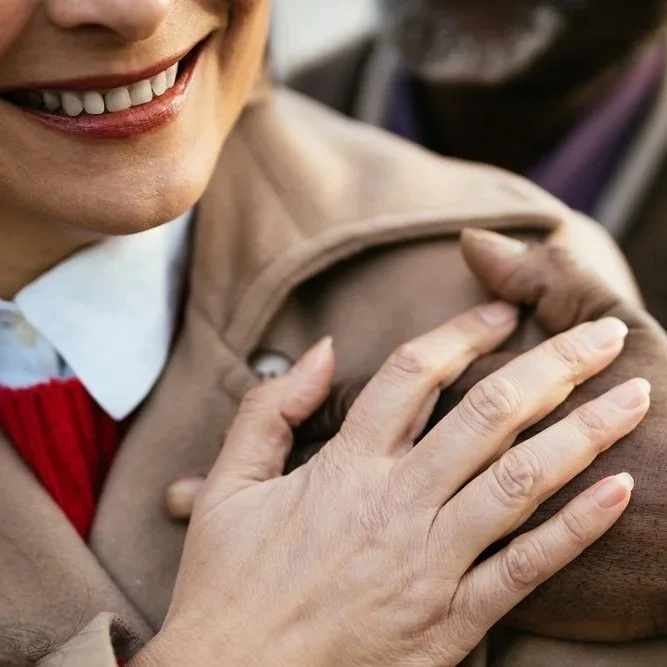
Couples & Family Trauma Support
For trauma's impact on your relationship or family, not just on you individually.
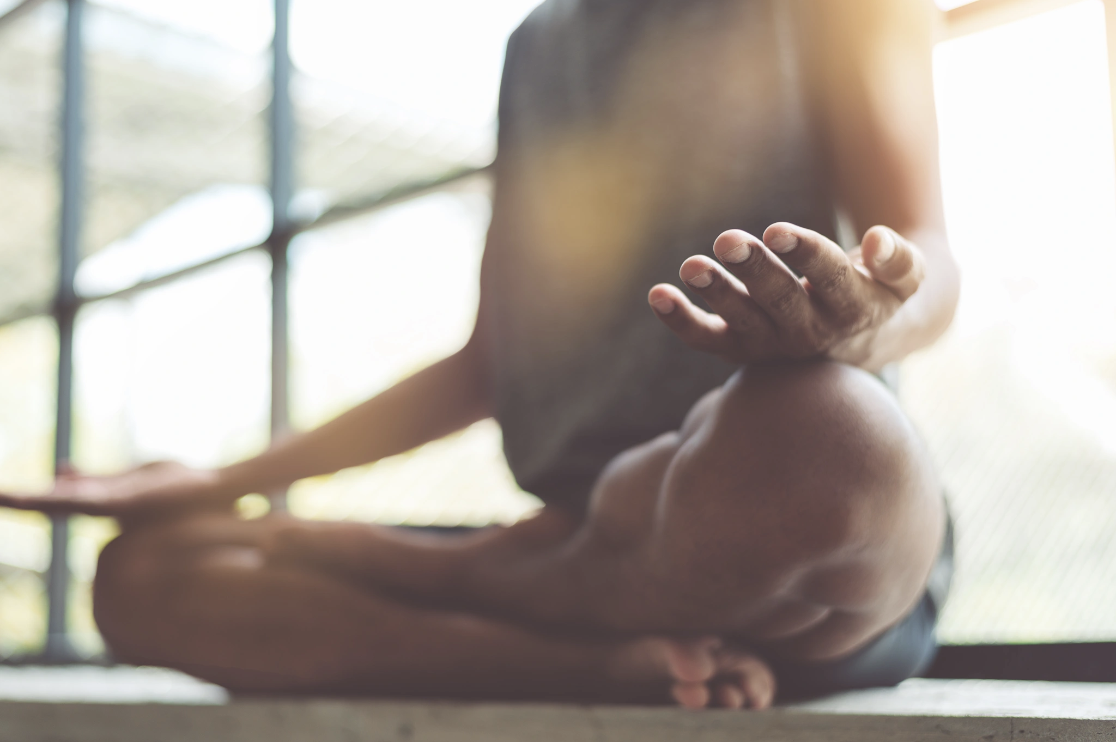
Trauma & Addiction Recovery
For trauma and addiction addressed together, rather than treated as separate problems.
Begin With a Consultation Call
You don't have to have this figured out before you reach out. Individual Trauma Recovery starts with one conversation: a short, low-pressure consultation call to see if working with Malachi, a Trauma Specialist based in Berkeley, makes sense for you.
Sessions are available in person in Berkeley, California, or virtually, wherever you are.
Common Questions About Individual Trauma Recovery
Do I Need a Specific Traumatic Event to Benefit From This Work?
1
No. Some people come in with one clear event in mind. Others come in with a history that builds up slowly, without a single moment they can point to. Both are valid reasons to start.
What if My Symptoms Feel More Present-Day Than Past-Related?
2
That's common, and it doesn't rule anything out. Trauma symptoms often attach themselves to current stress, even when the root goes back further. Individual sessions can help you sort out what's happening now from what you've been carrying forward.
Is This Only for Diagnosed PTSD?
3
No. You don't need a diagnosis of post-traumatic stress disorder (PTSD) to start this work. Many people come in with a general sense that something from their past is still affecting them, without a formal diagnosis.